
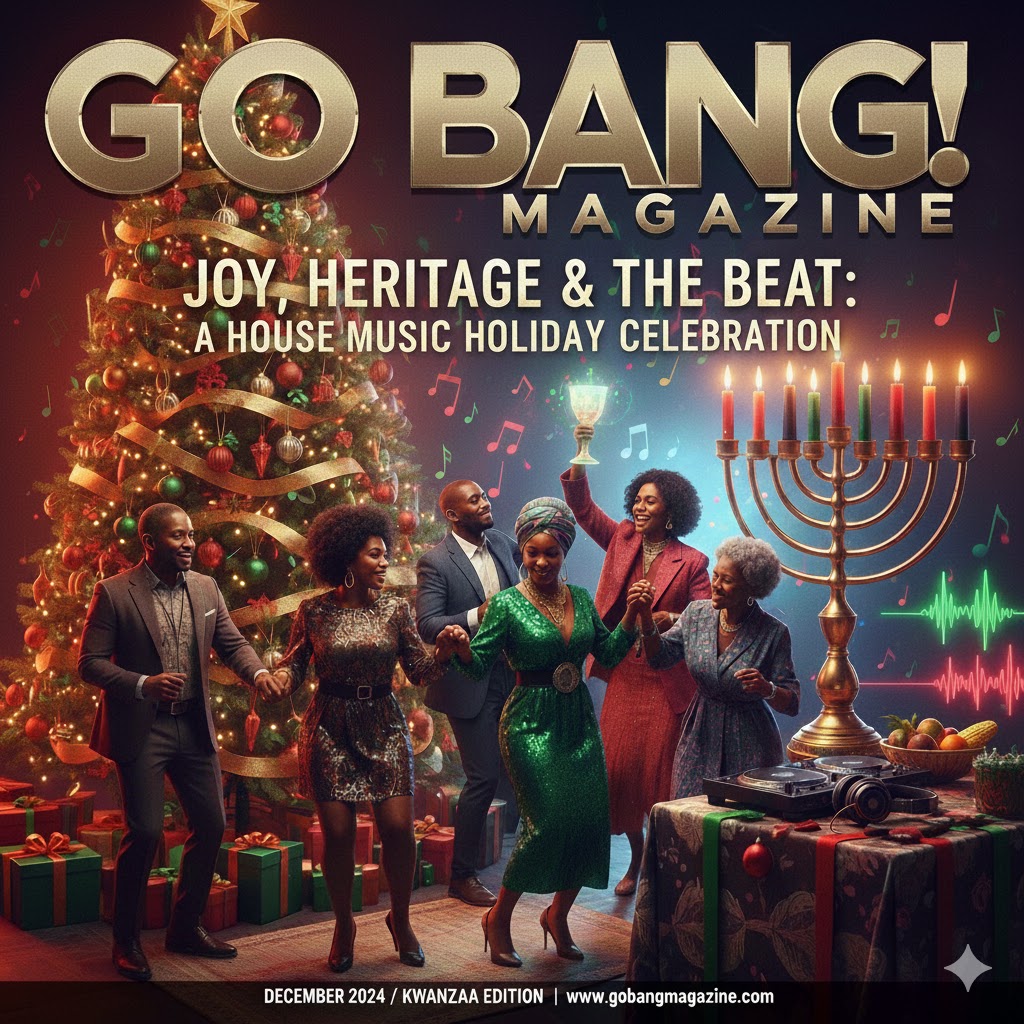
The holiday season is a special time of year, filled with warmth, reflection, and celebration. For many African American families, this period isn’t just about one holiday, but a beautiful, rich tapestry woven with the traditions of both Christmas and Kwanzaa. These celebrations, while distinct, often complement each other, offering unique opportunities to embrace faith, family, culture, and community.
Christmas: A Time for Faith, Family, and Festive Traditions
For generations, Christmas has been a cornerstone holiday for African American families, deeply rooted in faith and brimming with cherished customs. Beyond the universal symbols of twinkling lights, decorated trees, and gift-giving, Christmas in the Black community often carries an extra layer of spiritual depth and communal warmth.
Church on Christmas: For many, the true heart of Christmas begins in church. Christmas Eve and Christmas Day services are vibrant affairs, often featuring gospel choirs lifting powerful hymns, impassioned sermons on the birth of Christ, and congregations dressed in their finest attire. These gatherings are not just religious ceremonies; they are social events, reunions where families and friends exchange hugs, laughter, and blessings, reinforcing bonds that last throughout the year.
Feasting and Fellowship: Christmas dinner is legendary. Tables groan under the weight of traditional Southern-inspired dishes – baked ham, macaroni and cheese, collard greens, candied yams, cornbread dressing, and an array of homemade desserts like sweet potato pie and red velvet cake. These meals are more than just food; they are acts of love, hours spent in the kitchen by mothers, grandmothers, aunts, and uncles, pouring their souls into recipes passed down through generations. The fellowship around these tables is loud, joyful, and often extends well into the evening, punctuated by storytelling, games, and music.
Music and Merriment: Christmas carols find new life with gospel arrangements, and R&B and soul Christmas albums become the soundtrack to decorating the house, wrapping gifts, and dancing in the living room. From the classic voices of Mahalia Jackson and Nat King Cole to contemporary artists, Black artists have infused Christmas music with a unique flavor that resonates deeply within the community.
Gift-Giving and Generosity: While children eagerly await presents, the spirit of generosity often extends beyond immediate family. Many Black families emphasize giving back to the less fortunate, volunteering at shelters, donating toys, or preparing meals for those in need, embodying the true spirit of charity and compassion.
Kwanzaa: A Celebration of Heritage, Culture, and Community
Just as Christmas brings spiritual joy and familial love, Kwanzaa offers a powerful opportunity for African Americans to connect with their heritage and cultural identity. Established in 1966 by Dr. Maulana Karenga, Kwanzaa is a cultural holiday celebrated from December 26th to January 1st. It’s not a religious holiday, nor is it meant to replace Christmas, but rather to complement it by providing a space for reflection on African principles and values.
The Nguzo Saba (Seven Principles): Kwanzaa is built around the Nguzo Saba, seven principles that are fundamental to building and maintaining strong families, communities, and culture. Each day of Kwanzaa is dedicated to one principle:
Umoja (Unity): To strive for and maintain unity in the family, community, nation, and race.
Kujichagulia (Self-Determination): To define ourselves, name ourselves, create for ourselves, and speak for ourselves.
Ujima (Collective Work and Responsibility): To build and maintain our community together and make our brothers’ and sisters’ problems our problems and to solve them together.
Ujamaa (Cooperative Economics): To build and maintain our own stores, shops, and other businesses and to profit from them together.
Nia (Purpose): To make our collective vocation the building and developing of our community in order to restore our people to their traditional greatness.
Kuumba (Creativity): To do always as much as we can, in the way we can, in order to leave our community more beautiful and beneficial than we inherited it.
Imani (Faith): To believe with all our heart in our people, our parents, our teachers, our leaders, and the righteousness and victory of our struggle.
The Symbols of Kwanzaa: The celebration involves several key symbols displayed on a mkeka (mat):
Kinara (Candleholder): Holds seven candles.
Mishumaa Saba (Seven Candles): Three red, one black, and three green, representing the people, the struggle, and the future/hope.
Vibunzi (Ears of Corn): Represents children and the hope for the future (one ear for each child in the family, or one if there are no children, symbolizing the community’s children).
Mazao (Crops): Fruits, nuts, and vegetables symbolizing African harvest festivals and the rewards of collective labor.
Kikombe cha Umoja (Unity Cup): Used for libations to ancestors.
Zawadi (Gifts): Meaningful gifts, often handmade, given to encourage growth, self-determination, and success.
Community and Reflection: Kwanzaa often involves community gatherings where families share food, stories, poetry, music, and dance. The lighting of the candles each evening provides a moment for reflection on the day’s principle, its meaning, and how it can be applied to daily life. The celebration culminates on December 31st with a large feast, the Karamu, and on January 1st with a day dedicated to reflection and recommitment to the Nguzo Saba.
A Harmonious Holiday Season
For many African Americans, the decision to celebrate both Christmas and Kwanzaa is not a conflict, but an enrichment. Christmas offers a time for spiritual renewal, traditional family gatherings, and the joy of giving, while Kwanzaa provides a distinct cultural affirmation, a focus on collective values, and a powerful connection to heritage and community building.
This dual celebration allows for a comprehensive holiday experience – one that honors faith, cherishes family, and proudly uplifts African American culture and history. It’s a season of profound meaning, deep joy, and enduring light, reflecting the strength, resilience, and rich spirit of the African American community.
Happy Holidays from GO BANG! Magazine –
may your season be filled with joy, heritage, and light.

Pierre A. Evans is a freelance writer of Entertainment, Music, Art, Culture, Fashion and Current Events, and previously for SoulTrain.com, NDigo.com, ChicagoDefender.com, EmpireRadioMagazine.com, and UrbanMuseMag.com, an author, singer/songwriter, actor, model, poet, dancer, and DJ. He is also the Owner of Pinnacle Entertainment Productions and the Owner/Publisher of GO BANG!